
"Ethiopia natural coffee"
5000 article(s) found

The story of returning to the origin of the original rose summer_Ethiopia Yejia Shefei Jinlana processing station coffee beans
Ethiopia Yirgacheffe Gelana Station Natural Geisha Coffee Ethiopia Yirgacheffe Gelana Station Natural Geisha Coffee Ethiopia Yirgacheffe Gelana Station Natural Geisha Coffee Ethiopia Yirgacheffe Gelana Station Natural Geisha Coffee Ethiopia Yirgacheffe Gelana Station Special batch of coffee beans
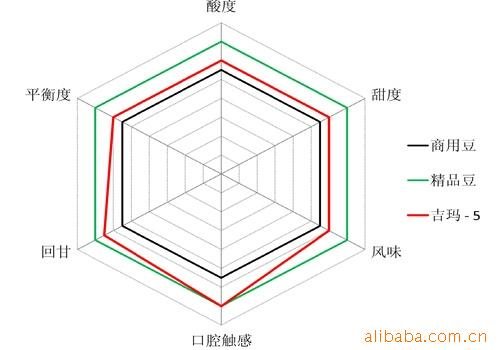
African Coffee Manor Ethiopia Gemma Coffee Raw Bean DjimmaG4 Sun Mocha Flavor
CONTENT [product name] Gemma Djimma [place] Ethiopia (Ethiopia) [place] sun [baking] recommended baking degree: deep baking [cup review] slightly sour, full and complex palate, special fruity aroma (similar to earthy or herbaceous) Gemma is close to Harald's complex wildness in style, slightly bitter on the palate, low acidity, warm and full-bodied taste.

Ethiopia West Dharma Flower Queen
Huakui treatment plant is located in buku abel village at an altitude of 2200 meters. During the harvest season (December-January), its unique growing environment and natural climate created its unique flavor. The red fructose we picked should reach 30 or more before we start sun treatment. In the first two days of the sun, we must ensure the humidity of the red fruit, so that its fructose fully begins to ferment. At the same time, the high-altitude land
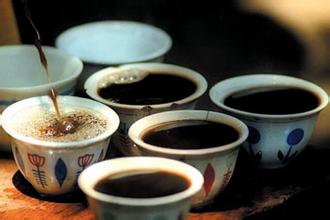
Ethiopia Coffee Coffee
Ethiopia's Yirgacheffe coffee is petite, but gentle and sweet. As the home of coffee, Ethiopia's millennia of growing and processing traditions have resulted in high-quality washed Arabica beans. Light baked with unique lemon, floral and honey sweet aromas, soft fruit acids and citrus notes, fresh and bright taste. not

Ethiopian Coffee Bean Story Ethiopian Coffee introduction to Ethiopia Yega Xuefei
Professional coffee knowledge exchange more coffee bean information please follow the coffee workshop (Wechat official account cafe_style) Ethiopian coffee beans Ethiopia has always been regarded as the birthplace of coffee. When you understand the local way of handling coffee, you can probably understand that this imperial status is well-deserved. Even under the worst production conditions, coffee trees are replaced by others.
World famous Coffee Tour: Harald Moka, Ethiopia (part I)
[product name]: Ethiopia Harald Mocha (Ethiopia Harar Mokha) [quality rating]: DP Grade 4 [baking]: recommended moderate baking (Medium Roast or City Roast) [grade]: excellent [granule]: ★ full [acidity]: ★★★★ slightly sour, dark chocolate aftertaste [balance]: ★★★★ is very stable

A brief introduction to the History and Culture of the Origin and Development of Coffee beans in Harald Moka Manor in Ethiopia
Ethiopia has unique natural conditions suitable for growing all imaginable varieties of coffee. As a highland crop, Ethiopian coffee beans are mainly grown in areas between 1, 100 and 2300 meters above sea level, roughly distributed in southern Ethiopia. Deep soil, well drained soil, weakly acidic soil, laterite and soil are soft and contain

Ethiopia Harald G4 rich texture and unique natural drying method of mocha incense
Ethiopian Harald G4 | EthiopiaHarrar Grade4 Harald coffee is cultivated by natural drying between 1800m and 2500m above sea level and exported to countries around the world through the city of Dire Dawa. Because of its high popularity and low production, the price is high relative to its grade, and it is one of the most beloved premium coffee in the world.

Ethiopian Yega Sheffivoka Coffee Flavor description introduction to the taste of fine coffee beans in the producing area
Located in the most advantaged natural conditions, Ethiopia produces unique high-quality coffee every year. Ethiopia's coffee growing cycle brings the joy of harvest to the country every year. Beautiful white coffee flowers will bloom and bear fruit every year from March to April. Only the reddest and ripe fruits will be selected between September and December.

Introduction to the History, Culture and Development of Coffee in Ethiopia
Following Cafe Review (Wechat official account vdailycom) found that the Beautiful Cafe opened a small shop of its own, Ye Jia Xuefei Coffee, which refers to Ye Jia Xuefei Coffee, which is produced in Ethiopia. Yega Xuefei is the name of a local town. It is about 1700-2100 meters above sea level. Now Yejashafi coffee has become synonymous with Ethiopian boutique coffee. History: at first, Yega Xuefei's
Flavor characteristics of Guji G1 tanning coffee in Sidamo, Ethiopia
Professional coffee knowledge exchange more coffee bean information please follow the coffee workshop (Wechat official account cafe_style) front street coffee Ethiopia Sidamo Guji G1 sun introduction Ethiopia Natural Sidamo G1 GUJI Ethiopia Sidamo Guji G1 Sun area: Sidamo Guji Coffee growers: local small farmer varieties: native species level: G1
Introduction of coffee beans and some boutique coffee in the main producing areas of coffee beans in the world (3)
Introduction of coffee beans and some fine coffee in the main producing areas of coffee beans in the world: Africa
World boutique coffee farm beans; Harald mocha (part 1) in Ethiopia has a delicate and rich taste
[product name]: Ethiopia Harald Mocha (Ethiopia Harar Mokha) [quality rating]: DP Grade 4 [baking]: recommended moderate baking (Medium Roast or City Roast) [grade]: excellent [granule]: ★ full [acidity]: ★★★★ slightly sour, dark chocolate aftertaste [balance]: ★★★★ is very stable
Are Ethiopian coffee beans suitable for hand brewing? How do Ethiopian coffee taste good?
Professional coffee knowledge exchange more coffee bean information please follow the coffee workshop (Wechat official account cafe_style) Ethiopia Jima Akmanu calendar solarization (organic certification) Ethiopia Jimma Akmel Nuri natural (organic certificated) producer: Ethiopia Ethiopia producing area: Limu Kosa; Jima Jimma producer

Is Harald mocha coffee good in Ethiopia? information on Harald coffee producing area
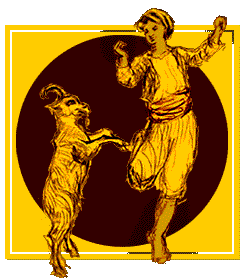
Professional coffee knowledge exchange more coffee bean information please follow the coffee workshop (Wechat official account cafe_style) Ethiopia is the origin of coffee. Once upon a time, there was a town in southern Ethiopia called Kafa, where there were some red fruits. The shepherd found that the sheep was so excited after eating the fruit that they picked it and tasted it, so the fruit was pawned.

Bita Manor Ethiopian Coffee beans Ethiopia Kafa Forest
Professional coffee knowledge exchange more coffee bean information Please follow the coffee workshop (Wechat official account cafe_style) the coffee beans of Ethiopia Bita Manor are selected for natural drying, and we are pleased to offer another coffee bean that is washed this year. In 2015, this coffee was chosen as our partner's favorite coffee bean, and we feel very much.

How to wash Sidamo coffee by hand? Introduction to the Sidamo Hilsa Cooperative in Ethiopia
Professional coffee knowledge exchange more coffee bean information please follow the coffee workshop (Wechat official account cafe_style) Ethiopia Federal Democratic Republic, commonly known as Ethiopia, is a country located in Northeast Africa, formerly known as the people's Democratic Republic of Ethiopia. Formerly known as Abyssinia. Unlike other African countries, Ethiopia was in Ethiopia for the second time.
Baking: Ninety-Plus Ethiopia Tchembe Natural
Baking: Ninety-Plus Ethiopia Tchembe Natural

Huakui Coffee Coffee Sidamo Gujigi Bella Sun-treated Coffee beans Story characteristics and Flavor description
Professional coffee knowledge exchange more coffee bean information please follow the coffee workshop (Wechat official account cafe_style) Ethiopian Sidamo Shakisso Natural Sakuran name: Ethiopia Sunshine Sidamo G1 Sakuran Ethiopian Sidamo Shakisso Natural Coffee country: Africa Africa, Ethiopia Ethiopia, Coffee Manor: Guji Gu

Introduction to the characteristics of coffee flavor and taste producing areas of Ethiopia coffee manor with endless aftertaste
In February 1977, Lieutenant Colonel Mengistu Haier Maryam (MENGISTU HAILE MARIAM) launched a military coup and served as Chairman of the interim military Administrative Council and head of State. In 1979, the Ethiopian Labor people's Party Organization Committee, dominated by soldiers, was established to implement an one-party system. In 1984, the Ethiopian Workers' Party was formed according to the Soviet Communist Party model. Mengistu, September 1987